Understanding the Environmental Benefits of Professional Lawn Care


The Role of Professional Lawn Care in Environmental Health
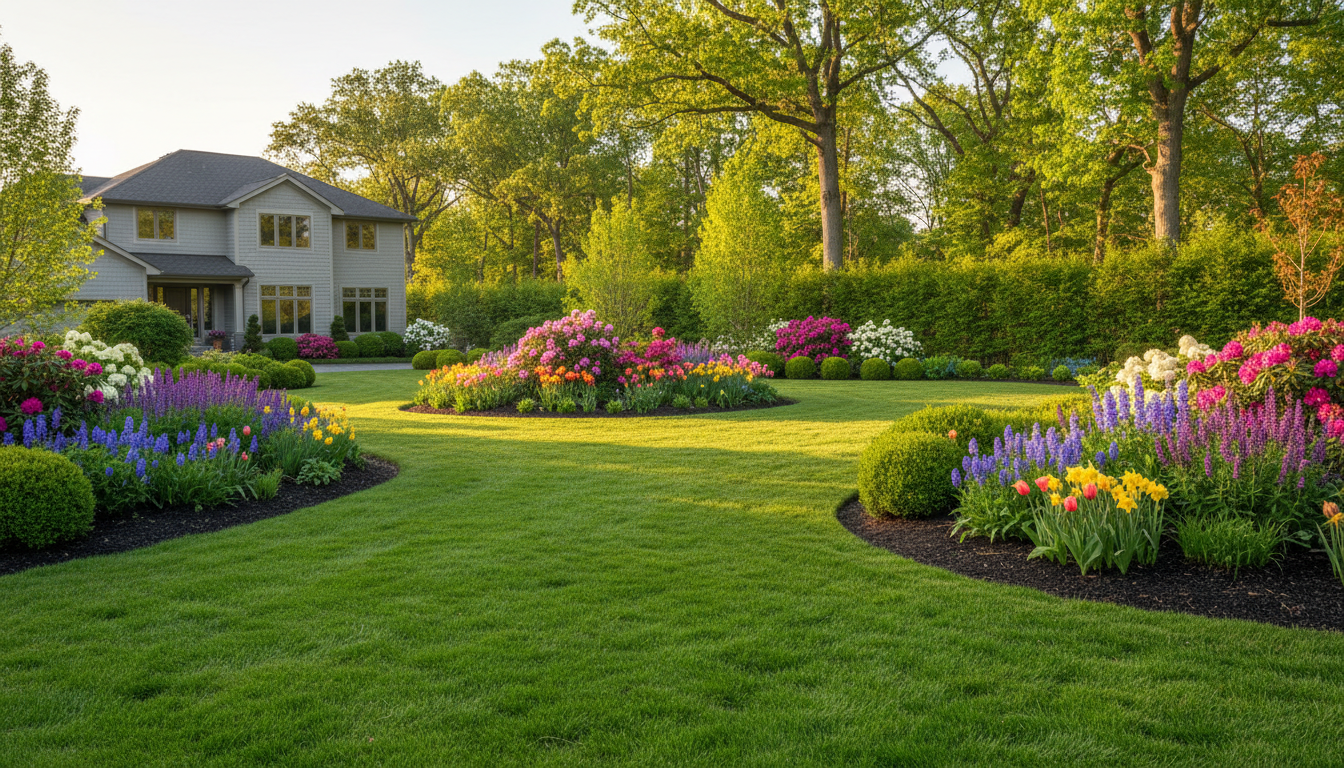
Professional lawn care services offer more than just aesthetic benefits. They play a significant role in promoting environmental health. Proper lawn management can lead to healthier soil, better air quality, and a more sustainable ecosystem. By understanding these benefits, homeowners can make informed decisions about their lawn care practices.
Reducing Chemical Use Through Expertise
One of the key environmental benefits of professional lawn care is the reduction in chemical use. Professionals have the expertise to assess the specific needs of a lawn and apply only the necessary treatments. This targeted approach minimizes the overuse of fertilizers and pesticides, reducing harmful runoff into local waterways.
Moreover, professional services often employ organic and sustainable products that are less harmful to the environment. This choice not only protects wildlife but also promotes a healthier living space for families and pets.
Promoting Biodiversity and Soil Health
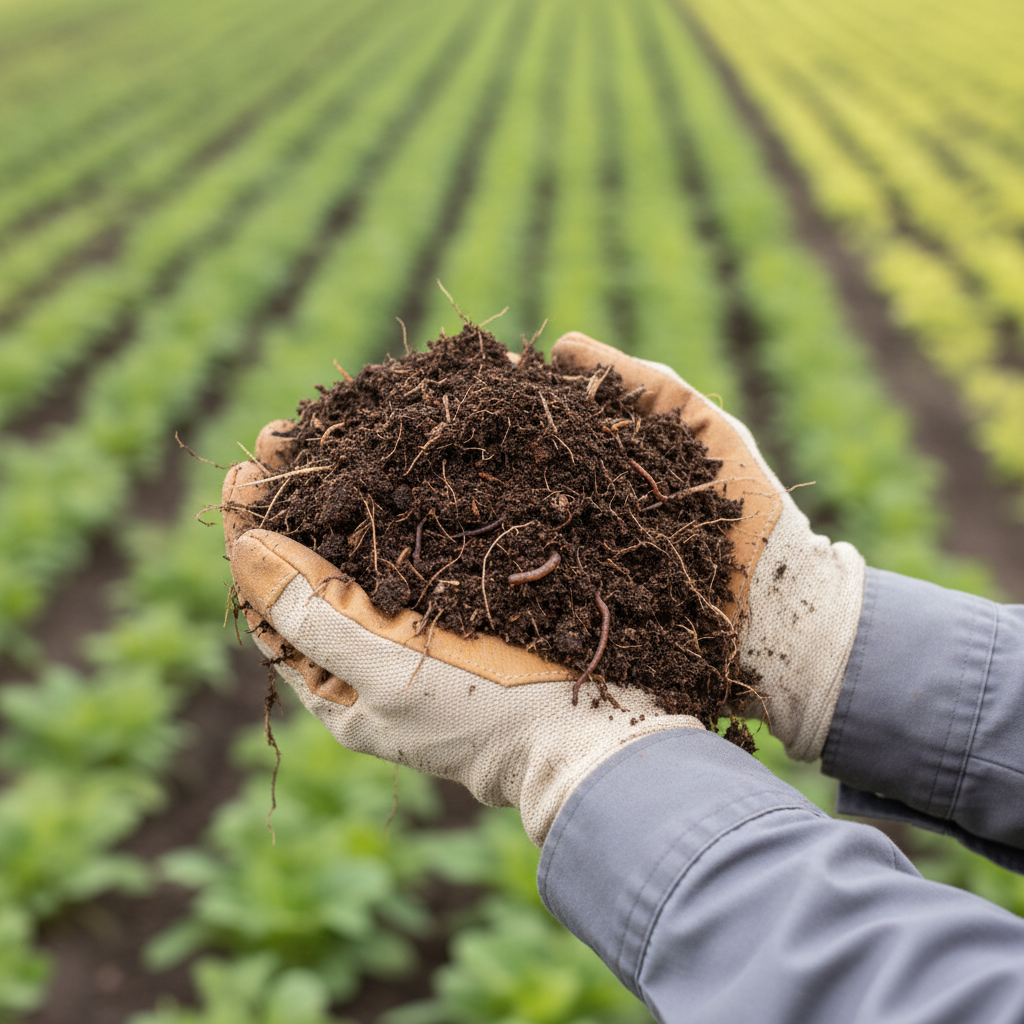
Healthy lawns contribute to a balanced ecosystem. Professional lawn care involves practices that enhance soil health, such as aeration and proper mowing techniques. These practices encourage the growth of beneficial microorganisms and improve soil structure, leading to better water retention and nutrient absorption.
Additionally, lawn care experts can introduce native plant species that support local wildlife. This biodiversity attracts pollinators like bees and butterflies, which are essential for maintaining ecological balance.
Enhancing Air Quality and Carbon Sequestration
Lush, well-maintained lawns act as natural air filters. Grass absorbs pollutants such as dust, smoke, and toxins, improving air quality. Furthermore, lawns are effective in carbon sequestration, capturing carbon dioxide from the air and storing it in the soil. This helps mitigate the effects of climate change.

By choosing professional lawn care, homeowners can be part of a larger effort to enhance air quality and combat global warming. This is an important step towards creating a more sustainable environment.
Water Conservation Practices
Water conservation is a critical component of sustainable lawn care. Professionals utilize techniques such as drip irrigation and rainwater harvesting to optimize water use. These methods ensure that lawns receive the necessary hydration without wasting this precious resource.
In addition, the implementation of drought-resistant grass varieties can further reduce water usage. This shift not only conserves water but also prepares lawns to withstand varying weather conditions.
Conclusion: A Greener Future with Professional Lawn Care
Understanding the environmental benefits of professional lawn care highlights its importance beyond aesthetics. By reducing chemical usage, promoting biodiversity, enhancing air quality, and conserving water, professional services contribute to a healthier planet. Homeowners who invest in expert lawn care are choosing a path toward sustainability and environmental stewardship.