Trending Organic Lawn Treatments: Eco-Friendly Solutions for Your Home


Understanding the Importance of Organic Lawn Care
As environmental awareness grows, homeowners are increasingly turning to organic lawn treatments to maintain lush, healthy lawns without harming the environment. Traditional lawn care methods often rely on chemical fertilizers and pesticides, which can have long-term negative effects on soil health and local ecosystems. In contrast, organic solutions focus on promoting natural growth and biodiversity.
Organic lawn care not only benefits the environment but also enhances the resilience and beauty of your lawn. By choosing eco-friendly treatments, you invest in the long-term health of your lawn while supporting sustainable practices.
Natural Fertilizers: Boosting Soil Health
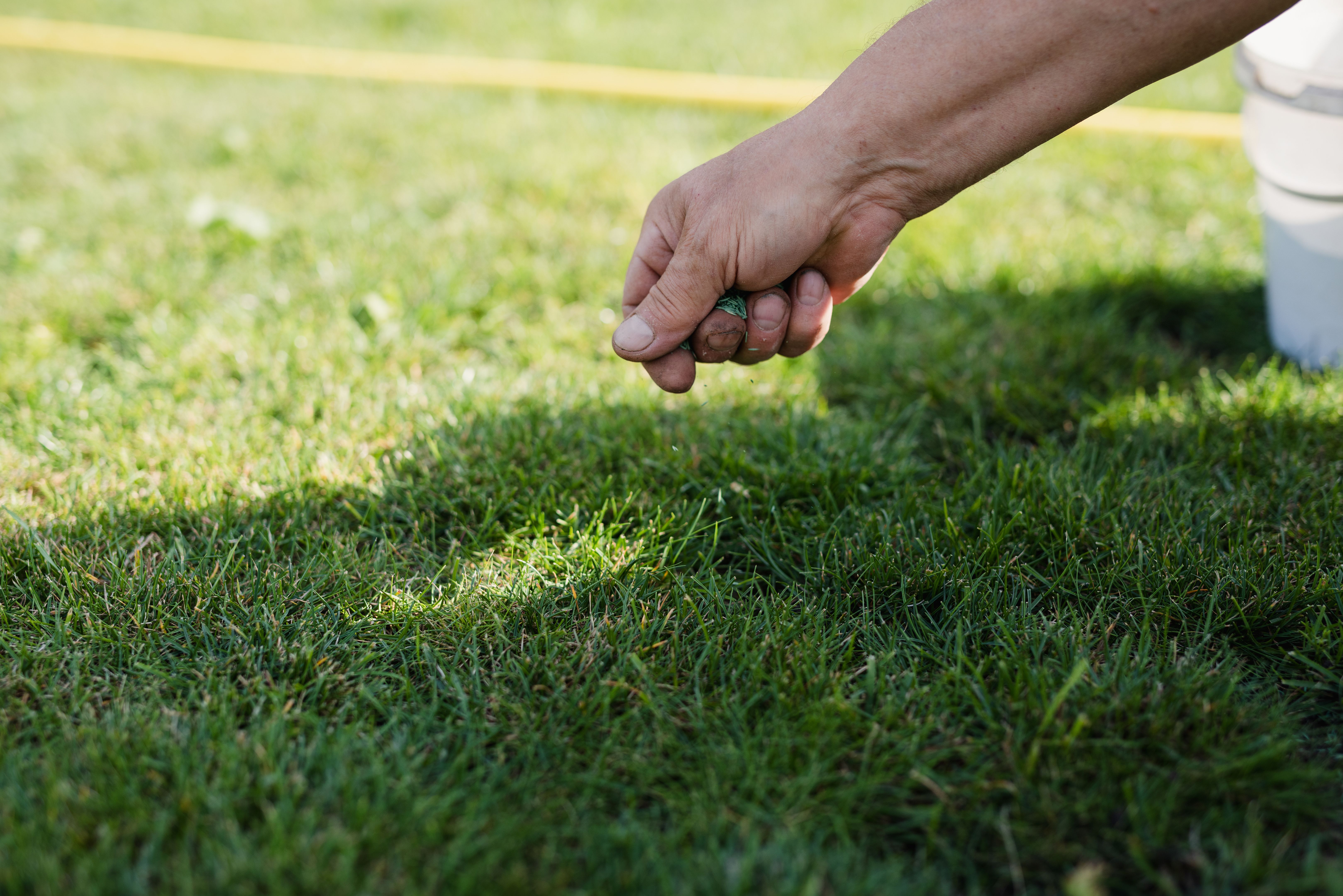
One of the key components of organic lawn care is the use of natural fertilizers. These fertilizers are derived from natural sources such as compost, bone meal, and seaweed. They provide essential nutrients that improve soil structure and encourage healthy root development.
Unlike synthetic fertilizers, natural options release nutrients slowly, ensuring a steady supply to the grass. This gradual release helps prevent nutrient leaching and reduces the risk of over-fertilization, which can harm both the lawn and surrounding waterways.
Composting: A Sustainable Practice
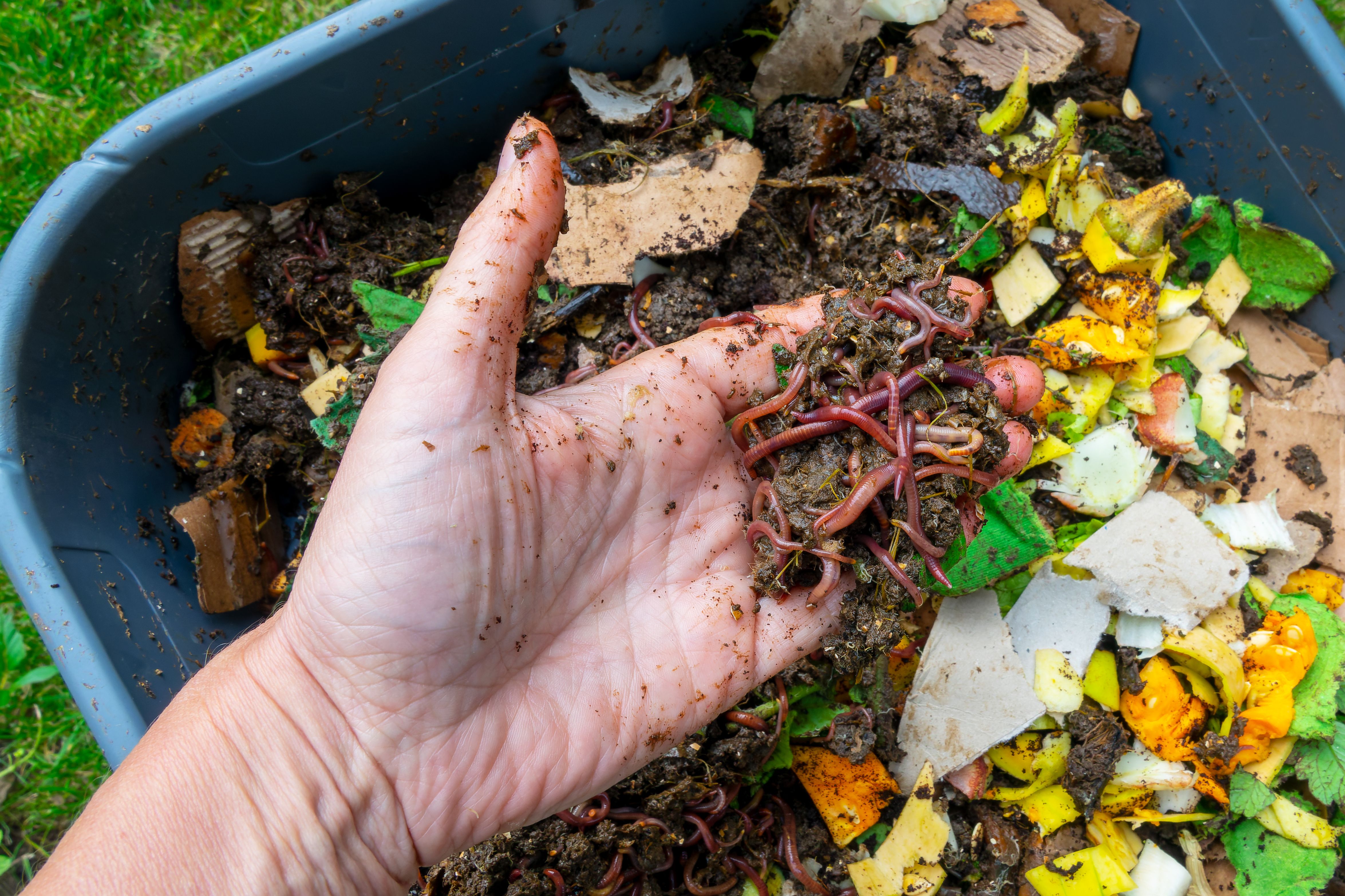
Composting is a fantastic way to create your own organic fertilizer. By recycling kitchen scraps and yard waste, you can produce nutrient-rich compost that enhances soil fertility. Not only does this reduce waste, but it also provides a cost-effective method to nourish your lawn naturally.
Embracing Biological Pest Control
Pest management is a crucial aspect of maintaining a healthy lawn. Instead of relying on chemical pesticides, organic lawn care advocates for biological pest control. This method involves introducing beneficial insects and microorganisms that naturally prey on harmful pests.
For instance, ladybugs and nematodes are effective at controlling aphids and grubs, respectively. By fostering a balanced ecosystem, biological pest control minimizes pest infestations while promoting biodiversity.
Diversity in Plant Species
An often-overlooked aspect of organic lawn care is the inclusion of diverse plant species. By incorporating a mix of grasses and ground covers, you create a resilient lawn that can better withstand pests and diseases. This diversity also attracts beneficial insects, further enhancing your lawn's health.

Water Conservation Techniques
Water conservation is another critical component of organic lawn care. Implementing techniques such as mulching and drip irrigation can significantly reduce water usage. Mulching helps retain soil moisture, while drip irrigation ensures water is delivered directly to the roots, minimizing evaporation.
These methods not only conserve water but also promote deeper root growth, leading to a more drought-resistant lawn. Additionally, choosing native grass species can further enhance water efficiency, as they are better adapted to local climate conditions.
Conclusion: A Greener Future for Lawns
Adopting organic lawn treatments is a step towards a more sustainable and environmentally friendly future. By focusing on natural fertilizers, biological pest control, and water conservation, homeowners can enjoy beautiful lawns that are in harmony with nature. As more people embrace these eco-friendly solutions, the collective impact on the environment can be profound, paving the way for healthier communities and ecosystems.