The Ultimate Guide to Organic Lawn Care: Eco-Friendly Tips for a Lush Yard


Introduction to Organic Lawn Care
Maintaining a lush, green yard without relying on harsh chemicals is not only possible but also beneficial for the environment. Organic lawn care focuses on building healthy soil and using eco-friendly practices to nurture grass naturally. In this guide, we’ll explore effective strategies to achieve a vibrant lawn while protecting the ecosystem.

Understanding Your Soil
Soil health is the foundation of a thriving lawn. Start by conducting a soil test to determine its pH level and nutrient composition. This information will help you select the right organic amendments to balance the soil. A well-balanced soil encourages deep root growth and enhances grass resilience.
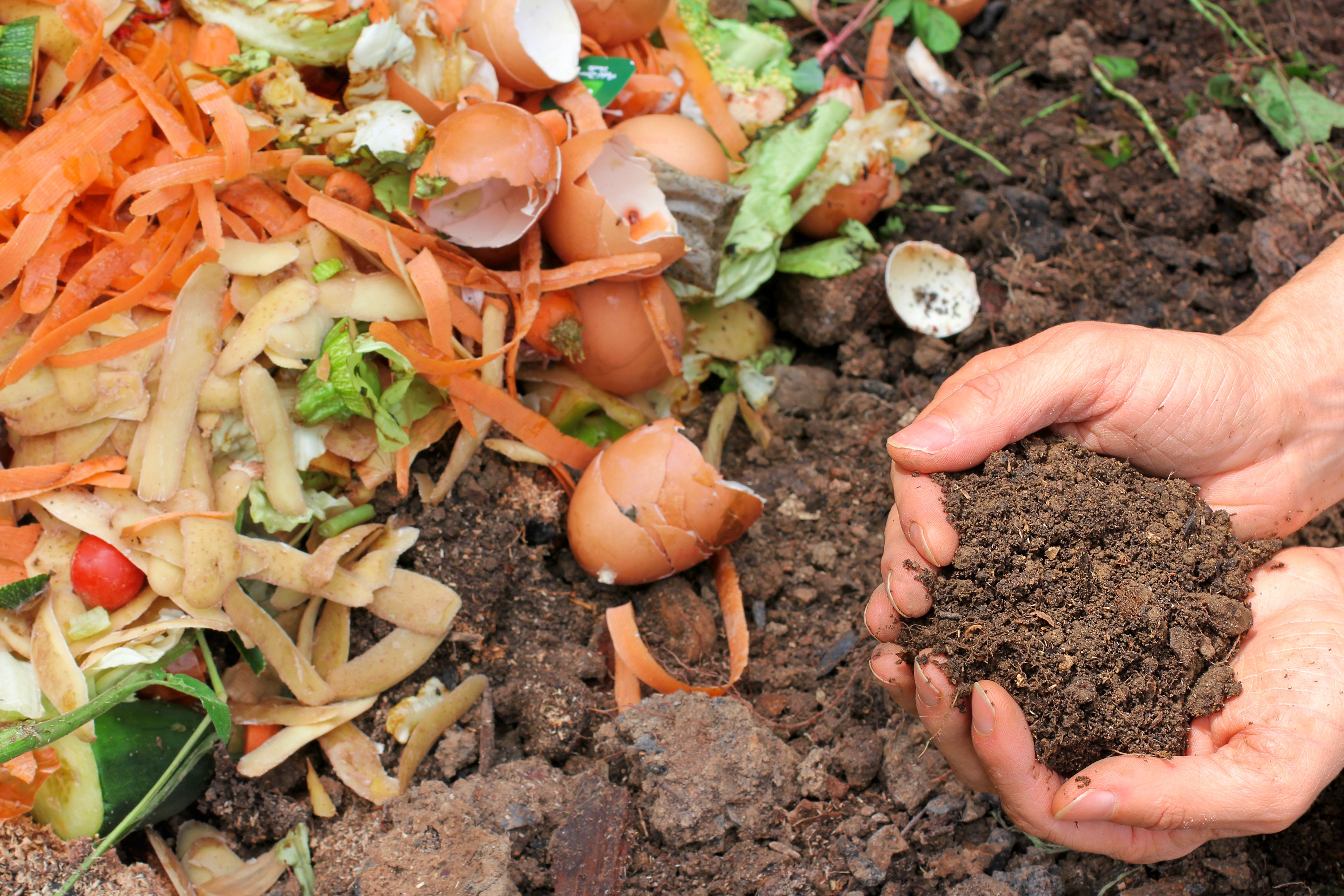
Consider incorporating compost or well-aged manure to enrich the soil with essential nutrients. These organic materials improve soil structure, water retention, and microbial activity, creating a supportive environment for your lawn.
Choosing the Right Grass
Selecting the appropriate grass variety for your climate and soil type is crucial. Native grasses are often the best choice, as they are adapted to local conditions and require less water and maintenance. Research different types of grass and consult with local experts to make an informed decision.
Planting and Overseeding
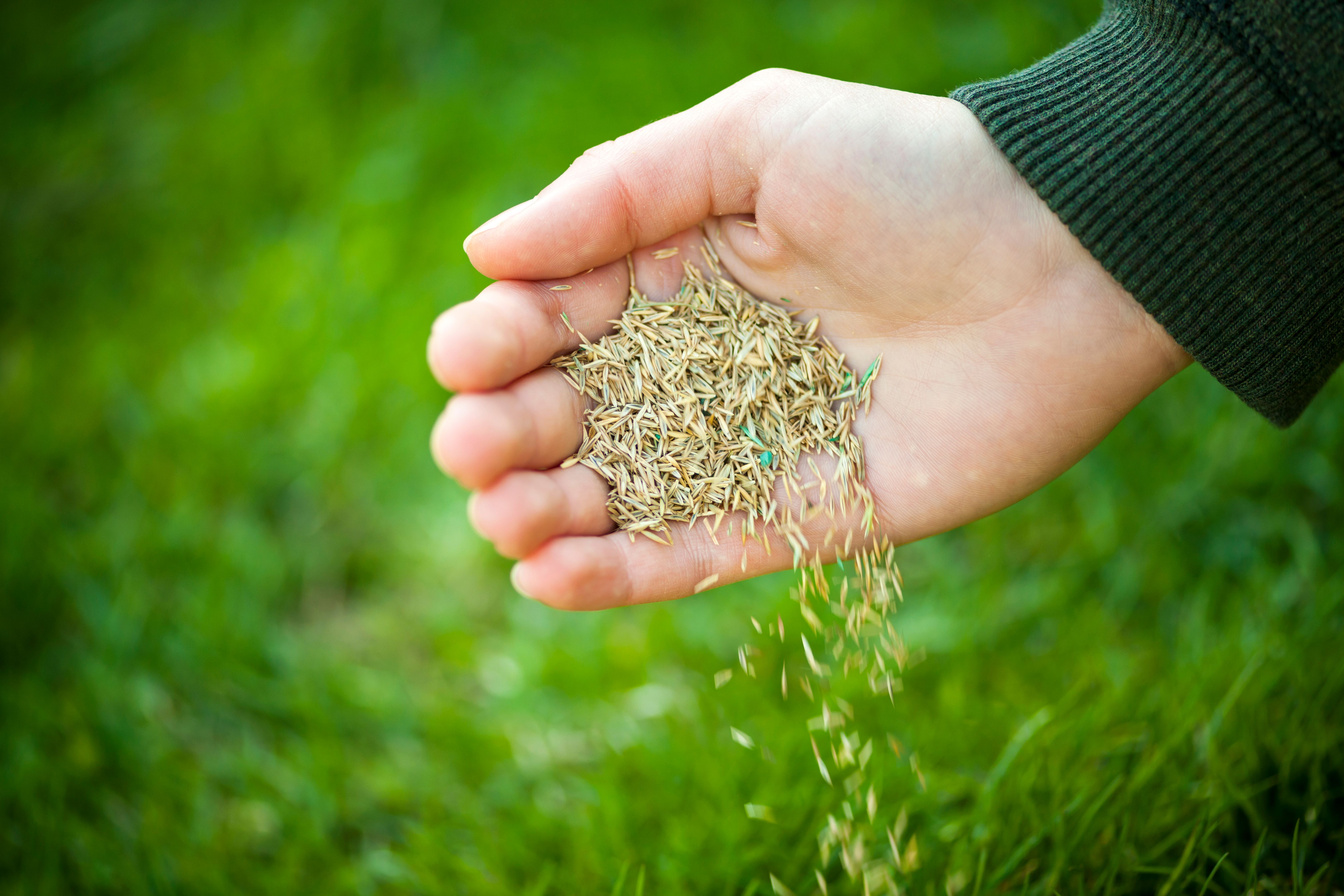
For a dense and healthy lawn, consider overseeding in the fall or spring. This process involves spreading grass seed over existing turf to fill in bare spots and improve overall density. Use a mix of grass seeds to increase diversity and resilience against pests and diseases.
Natural Pest and Weed Control
Organic lawn care emphasizes prevention and natural solutions for pest and weed control. Regular mowing, aeration, and proper watering are fundamental practices that discourage weeds and pests.
- Introduce beneficial insects like ladybugs to control pests naturally.
- Use organic herbicides made from natural ingredients like vinegar or corn gluten meal.
- Hand-pulling weeds is an effective and eco-friendly method.
Watering Wisely
Efficient watering is key to healthy, organic lawns. Water deeply but infrequently to encourage deep root growth. Early morning is the best time to water, reducing evaporation and fungal diseases.
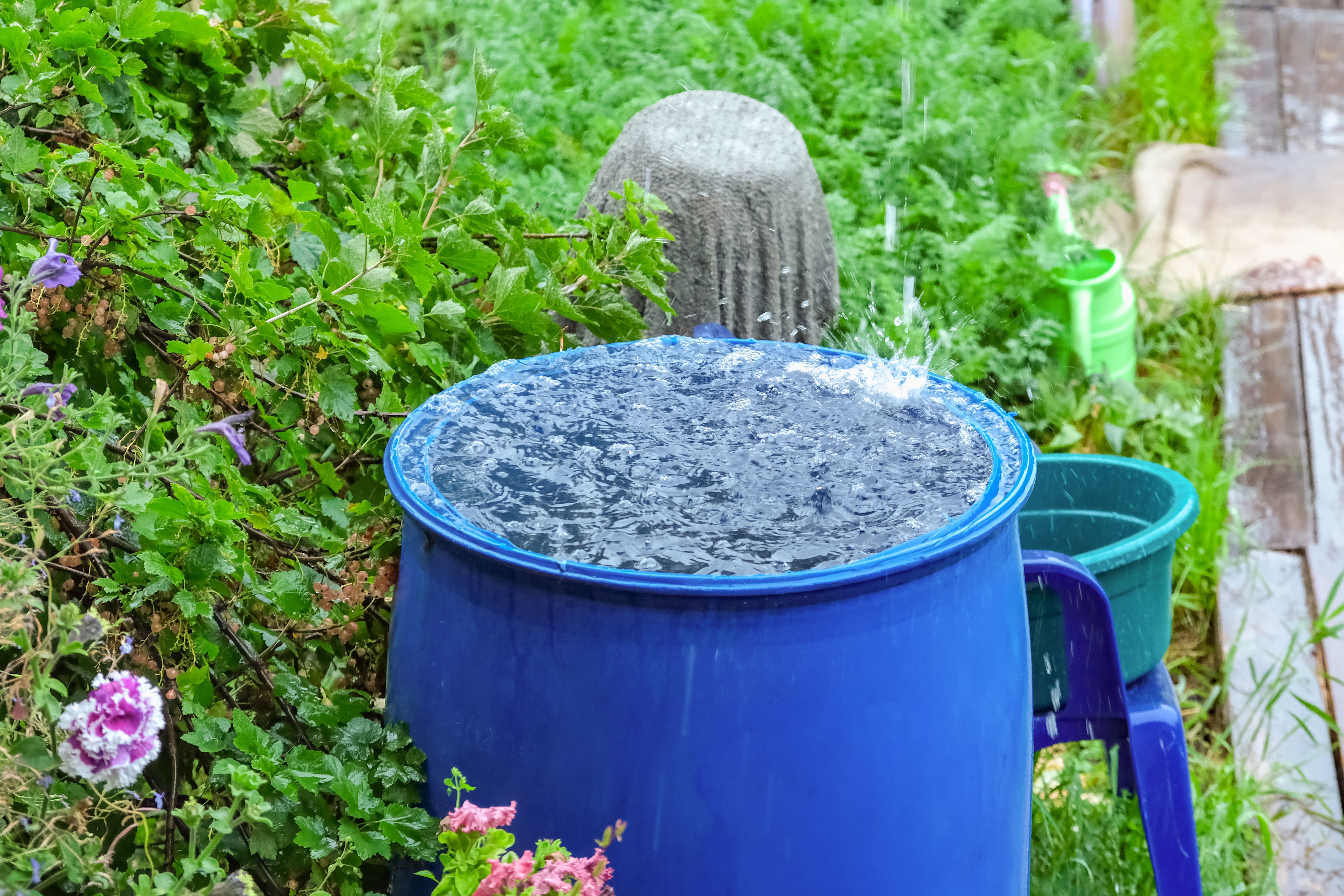
Consider installing a rain barrel to collect rainwater, providing a free and sustainable water source for your lawn. This practice not only conserves water but also reduces your utility bills.
Regular Maintenance
Consistent maintenance is vital for a flourishing organic lawn. Mow regularly, keeping grass at a height of about 3 inches. Taller grass shades the soil, reducing weed growth and conserving moisture. Sharpen mower blades to ensure clean cuts and prevent grass stress.
Aerate your lawn annually to relieve soil compaction, allowing air, water, and nutrients to penetrate the soil more effectively. This practice promotes root growth and enhances the overall health of your lawn.
Conclusion
Transitioning to organic lawn care requires patience and dedication, but the rewards are well worth the effort. By embracing eco-friendly practices, you’ll enjoy a lush, healthy yard that supports biodiversity and contributes to a cleaner environment. Start implementing these tips today and watch your lawn thrive naturally.