Preparing Your Lawn for Winter: Expert Tips from MÉNAVERT INC.


Understanding Your Lawn's Needs
As the colder months approach, preparing your lawn for winter becomes essential. A well-prepped lawn will not only survive the harsh conditions but also thrive when spring arrives. At MÉNAVERT INC., we believe in nurturing your lawn with care and precision. Here are some expert tips to ensure your grass stays healthy throughout the winter.
Firstly, it's important to assess the type of grass you have. Different grasses have varying needs, especially in preparation for winter. Cool-season grasses, such as Kentucky bluegrass, require different care compared to warm-season varieties like Bermuda grass. Knowing your grass type helps tailor your winterizing strategy.
Fertilizing for Winter
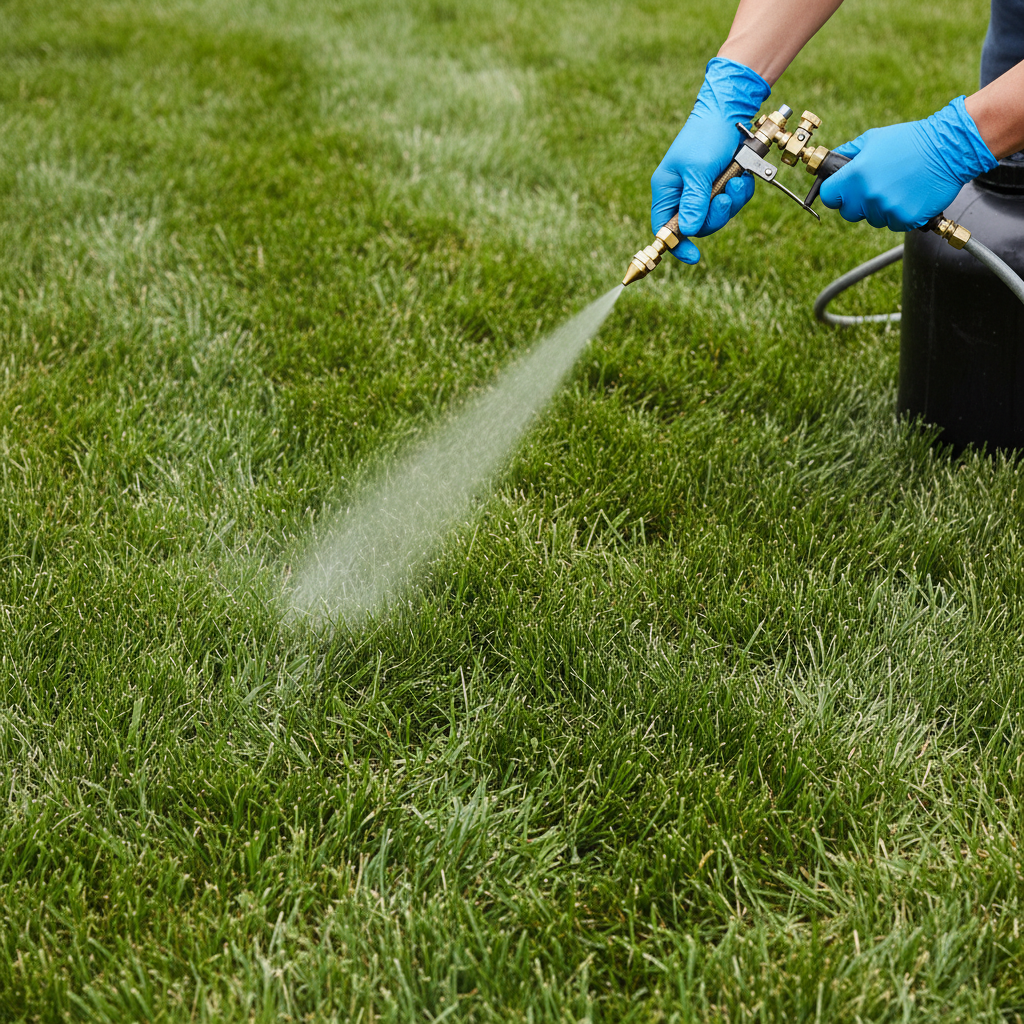
Fertilizing your lawn before winter is one of the most important steps. A late fall fertilizer application provides essential nutrients that strengthen roots and increase disease resistance. Opt for a fertilizer high in potassium, which enhances cold tolerance and promotes overall lawn health.
Apply the fertilizer after your final mow of the season. This ensures that the nutrients are absorbed and used effectively. Remember, timing is crucial; applying too early or too late can affect the outcome.
Mowing and Raking
Maintaining the right grass height as winter approaches is critical. Gradually lower your mower's blade until the grass is about 2 to 2.5 inches tall. This height helps protect the crown of the grass while minimizing the risk of snow mold. Be cautious not to cut too short, as this can expose roots to cold damage.
Raking is equally important. Remove fallen leaves and debris to prevent suffocating the grass. A clean lawn allows for better air circulation and reduces the risk of fungal diseases. Raking also helps break up any thatch buildup, promoting healthier growth.

Watering Wisely
Even as temperatures drop, your lawn still needs moisture. Watering should continue until the ground freezes. Aim for about an inch of water per week, including rainfall. Ensure you water deeply but infrequently to encourage deep root growth.
Be mindful of overwatering, as this can lead to disease and other issues. It's essential to monitor weather conditions and adjust your watering schedule accordingly.
Aeration and Overseeding
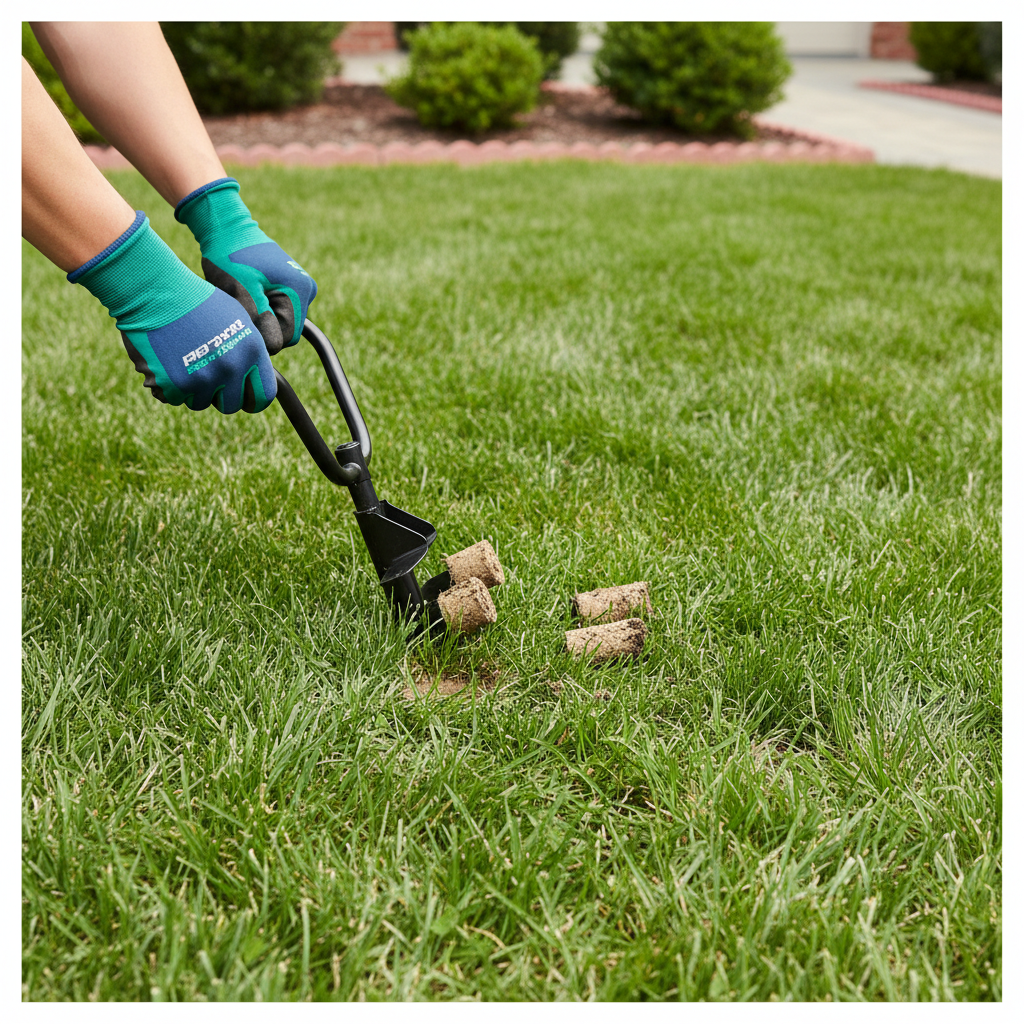
Aeration is a beneficial practice that alleviates soil compaction and improves nutrient absorption. By creating small holes in the soil, aeration allows air, water, and nutrients to reach the grass roots more effectively.
For cool-season grasses, overseeding after aeration can be highly effective. This process involves spreading grass seed over the existing lawn to promote thicker growth. The combination of aeration and overseeding helps your lawn recover from summer stress and prepares it for a healthy spring.
Taking these steps will ensure your lawn remains robust and beautiful throughout the winter months. At MÉNAVERT INC., we're dedicated to providing expert advice and services to keep your outdoor spaces flourishing year-round. Embrace the changing seasons by giving your lawn the care it deserves.