Preparing Your Lawn for Winter: Essential Tips for QC Residents


Assess Your Lawn's Health
As winter approaches, it's important to evaluate the current condition of your lawn. Look for signs of wear such as bare patches, weeds, or pest damage. Understanding your lawn's health will help you determine the necessary steps to prepare it for the colder months.
Consider performing a soil test to identify any nutrient deficiencies. This will guide you in choosing the right type of fertilizer and other treatments to keep your lawn healthy through winter.

Fertilize for Winter
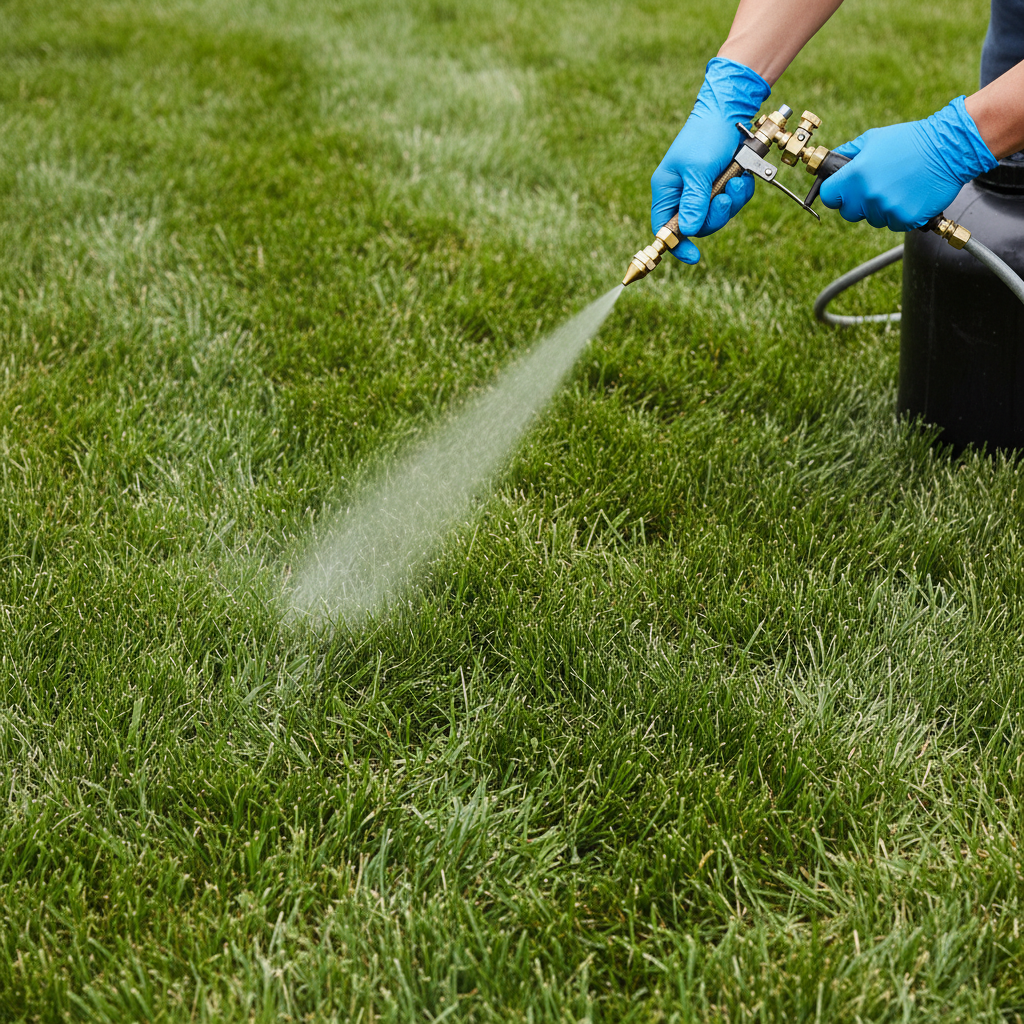
Fertilizing your lawn in the fall is crucial for promoting root growth and ensuring it survives the winter. Use a high-potassium fertilizer to strengthen your lawn's resilience against cold temperatures.
Apply the fertilizer evenly across your lawn, ideally before the first frost. This will give the nutrients ample time to be absorbed and utilized by the grass roots.
Proper Mowing Techniques
Gradually lower your mower's blade height as you approach winter. Shorter grass blades are less prone to disease and mold, which can thrive when the grass is longer and damp.
However, avoid cutting the grass too short, as this can expose the roots to harsh winter conditions. Aim for a balance to maintain a healthy lawn.
Aerate Your Lawn
Aeration is an important step in preparing your lawn for winter. It involves perforating the soil with small holes to allow air, water, and nutrients to penetrate the grass roots.
This process helps alleviate soil compaction, promotes root growth, and enhances the lawn’s ability to absorb essential nutrients.

Remove Debris and Leaves
Clear your lawn of fallen leaves, twigs, and other debris. This will prevent suffocation of the grass and reduce the risk of mold and disease during the winter months.
Consider composting the leaves and debris, which can be used as a natural fertilizer for your garden in the spring.
Water Wisely
While it's important to hydrate your lawn before winter, reduce watering as temperatures drop and rainfall increases. Overwatering can lead to root rot and other issues.
Ensure your lawn receives about an inch of water per week, adjusting for natural precipitation. This will keep the roots adequately hydrated without oversaturating the soil.

Consider Overseeding
If your lawn has bare patches, consider overseeding it with a cool-season grass. This will help fill in gaps and create a thicker, more resilient lawn for the upcoming spring.
Be sure to choose a seed mix suitable for the QC climate to ensure optimal growth and coverage.