How to Prepare Your Lawn for Winter in QC, Canada


Understanding the Importance of Winter Preparation
As winter approaches in Quebec, Canada, it's essential to prepare your lawn for the harsh conditions ahead. Proper preparation not only helps your lawn survive the cold months but also ensures a lush, green start in the spring. With the right steps, you can protect your grass and maintain its health year-round.
Winter can be tough on your lawn, with snow, ice, and freezing temperatures all taking their toll. By taking proactive measures, you can minimize damage and set the stage for a vibrant lawn once the thaw arrives.
Step-by-Step Lawn Preparation
1. Clean Up Your Lawn
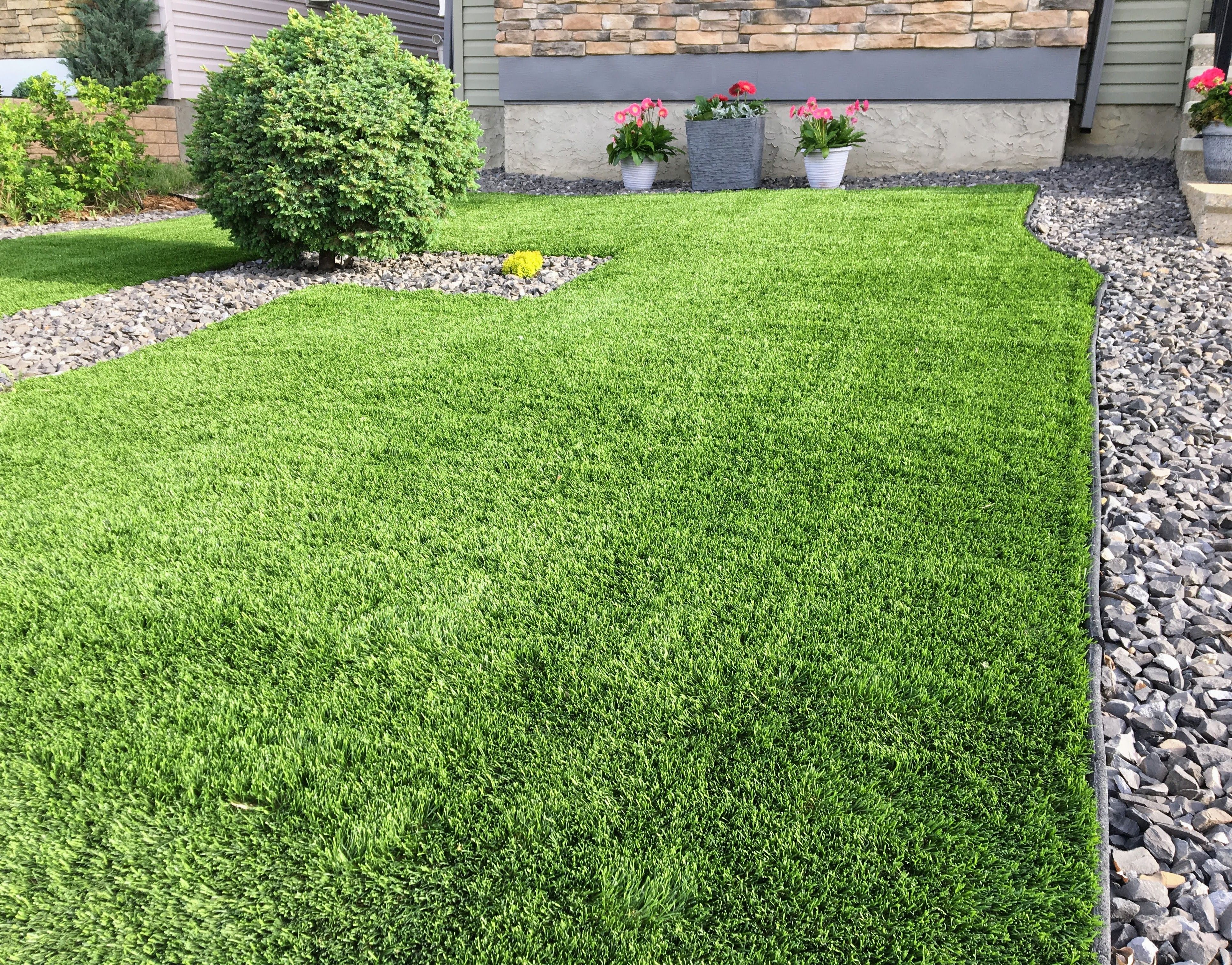
Begin by raking up fallen leaves, twigs, and debris. This prevents the build-up of mold and disease, which can thrive under a blanket of snow. A clean lawn also allows sunlight to reach the grass, aiding in photosynthesis and overall health.
2. Aerate the Soil
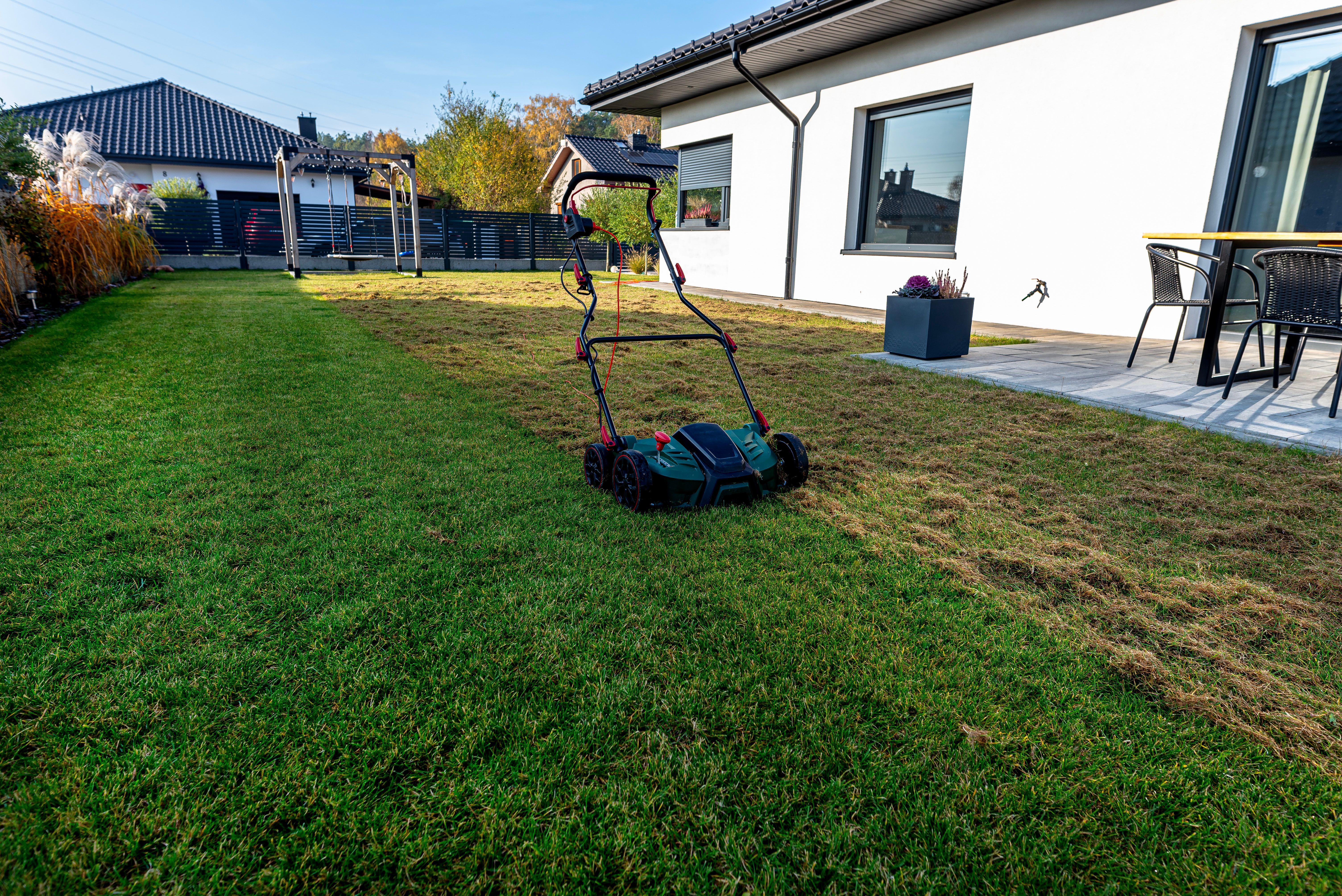
Aeration is crucial for allowing air, water, and nutrients to penetrate the soil. This process helps the roots grow deeply and produce a stronger, more vigorous lawn. Consider renting an aerator or hiring a professional to ensure the job is done correctly.
Fertilize for Success
3. Apply a Winter Fertilizer
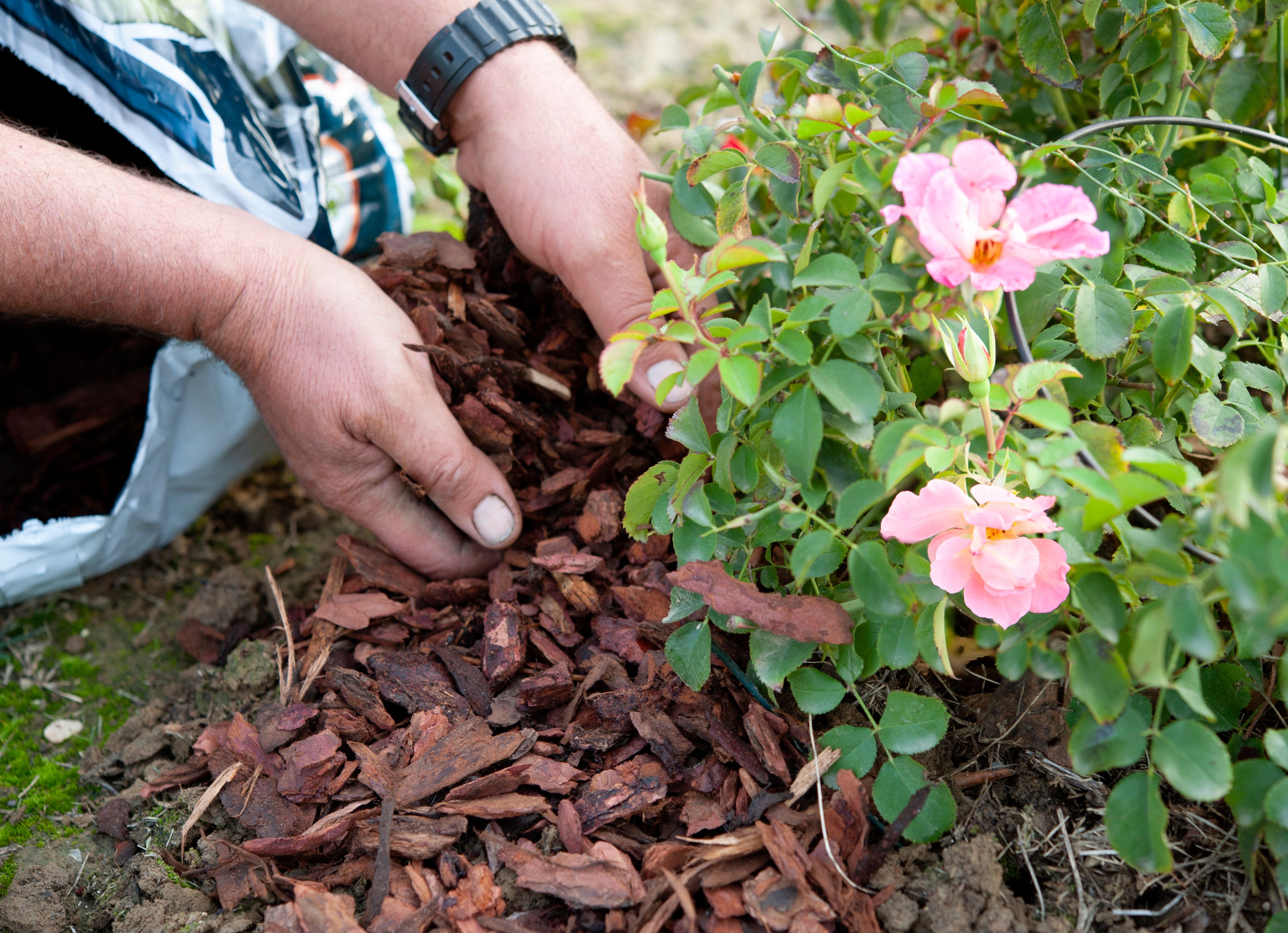
Using a winter-specific fertilizer can provide your lawn with the nutrients it needs to withstand the cold months. Look for a product high in potassium, which strengthens the grass and improves its resilience against frost and disease. Apply the fertilizer evenly across your lawn, following the manufacturer's instructions.
This step ensures that your lawn has the necessary resources to maintain its health during dormancy, giving it a boost once spring arrives.
Watering and Mowing Tips
4. Adjust Your Watering Schedule
As temperatures drop, reduce the frequency of watering. The cool climate in Quebec means your lawn requires less moisture. However, make sure to water deeply and less often to encourage deep root growth, which is vital for winter survival.
5. Mow at the Right Height
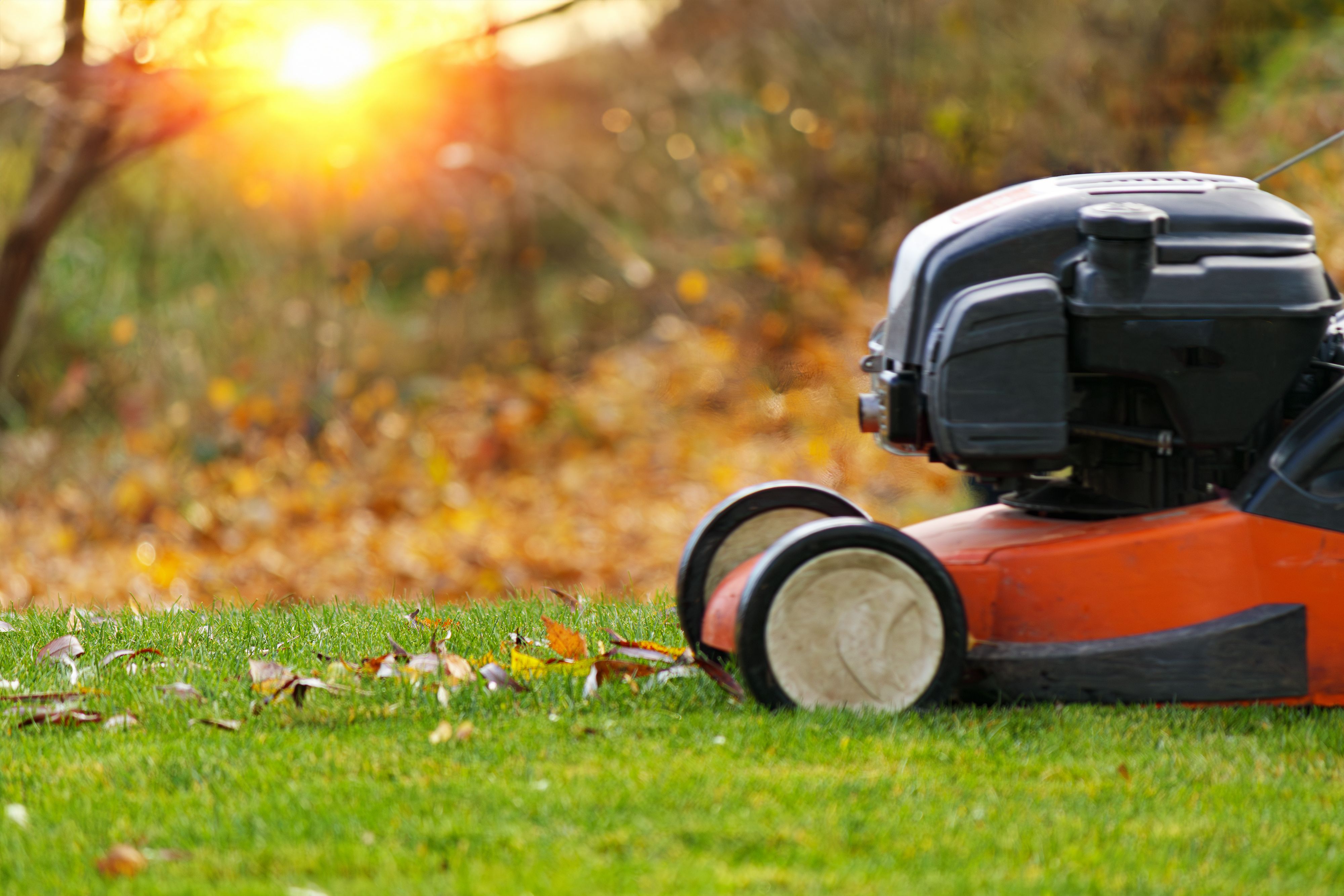
Gradually lower your mower's blade during the fall. The final cut should leave your grass around 2 inches tall. This height is ideal for preventing disease while ensuring the grass is strong enough to endure winter conditions.
Protecting Your Lawn During Winter
6. Avoid Heavy Foot Traffic
Try to minimize walking on your lawn when it's covered in frost or snow. Excessive foot traffic can damage the grass blades and compact the soil, making it difficult for your lawn to recover in the spring.
7. Keep an Eye on Snow and Ice
Be mindful of heavy snow and ice accumulation. Use a snow blower or shovel to prevent compaction and damage. Consider applying a safe, non-toxic ice melt to protect both your lawn and any nearby plants.