How to Maintain a Healthy Lawn: Expert Advice from MÉNAVERT INC.


Understanding Your Lawn's Needs
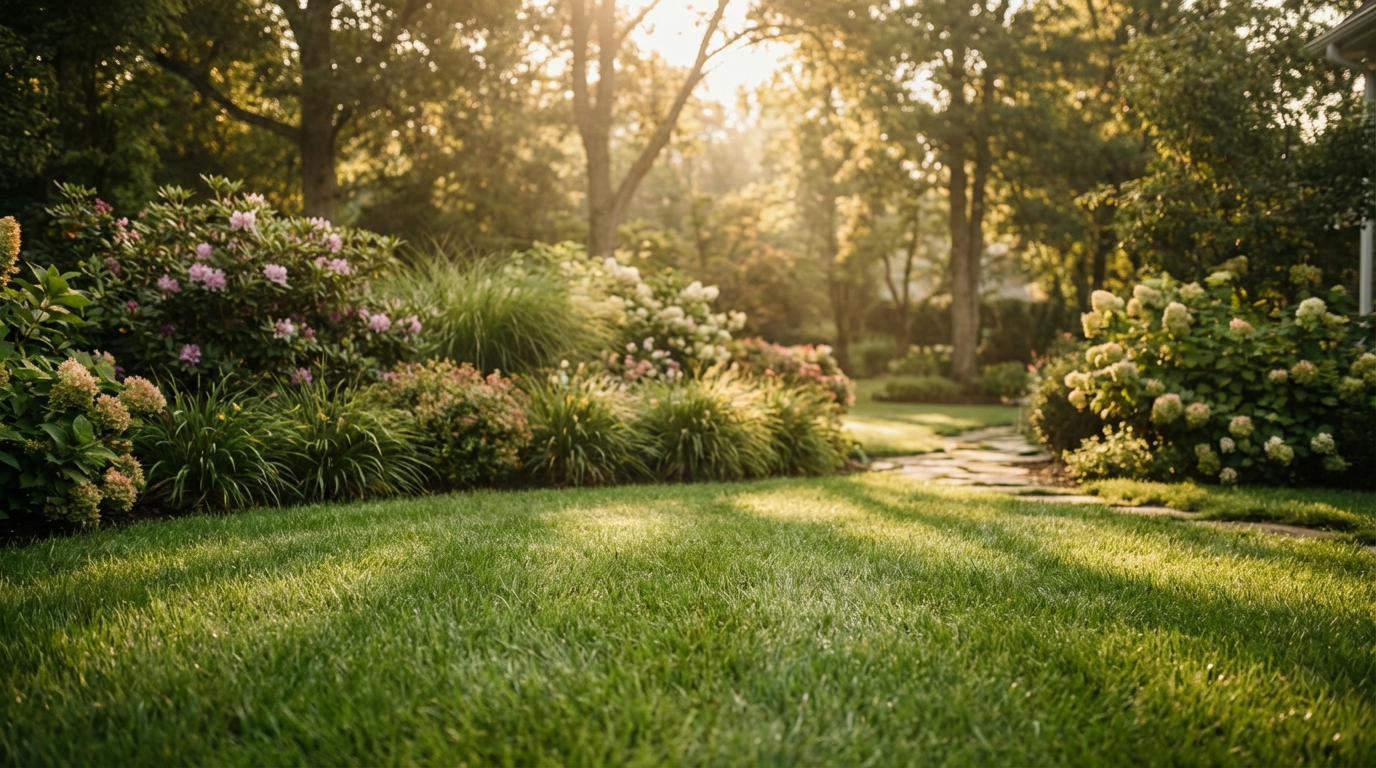
A lush, green lawn is a beautiful addition to any home, but achieving it requires understanding your lawn's specific needs. Different grass types thrive in various climates and soil conditions. It's essential to know what kind of grass you have and tailor your care routine accordingly. Observing your lawn's growth patterns and color can provide vital clues about its health.
Proper Watering Techniques
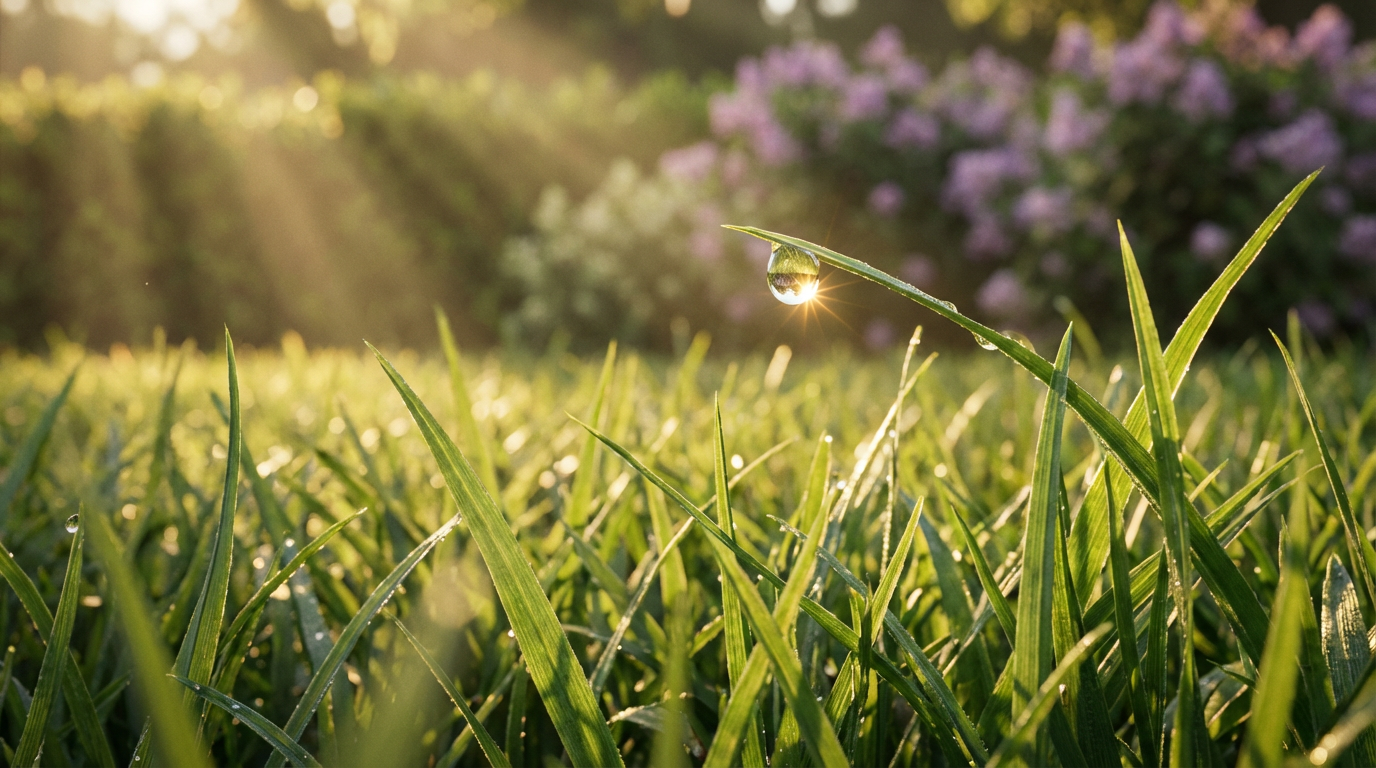
Watering is crucial for lawn health, but it's important to do it correctly. Lawns generally need about an inch of water per week, including rainfall. It's best to water deeply but infrequently to encourage deep root growth. Watering early in the morning minimizes evaporation and fungal diseases.
Signs of Overwatering and Underwatering
Overwatering can drown roots and lead to diseases, while underwatering results in dry, brown patches. Look for signs such as wilting or discolored grass to gauge your lawn's moisture needs. Adjust your watering schedule based on weather conditions and soil type.
Fertilization and Soil Health
Fertilizing your lawn provides essential nutrients that promote growth and resilience. Opt for a balanced fertilizer and follow the recommended application rates. Over-fertilizing can harm your lawn and the environment, so precision is key. Conduct regular soil tests to understand nutrient levels and pH balance.
Organic vs. Synthetic Fertilizers
Organic fertilizers release nutrients slowly and improve soil structure, while synthetic options provide quick results. Consider your lawn's immediate and long-term needs when choosing between the two. Both have their advantages, and a combination might be ideal for optimal growth.
Mowing Practices for a Healthy Lawn
Regular mowing keeps your lawn healthy and tidy. Mow at the correct height for your grass type, usually around 2.5 to 3 inches. Never cut more than one-third of the grass blade at a time, as this can stress the plant. Keep mower blades sharp to ensure clean cuts and prevent disease.
Mowing Frequency and Patterns
Mow as often as needed to maintain the ideal height, usually once a week during the growing season. Vary your mowing pattern to avoid soil compaction and turf wear. This practice encourages upright growth and a more uniform appearance.
Pest and Weed Management
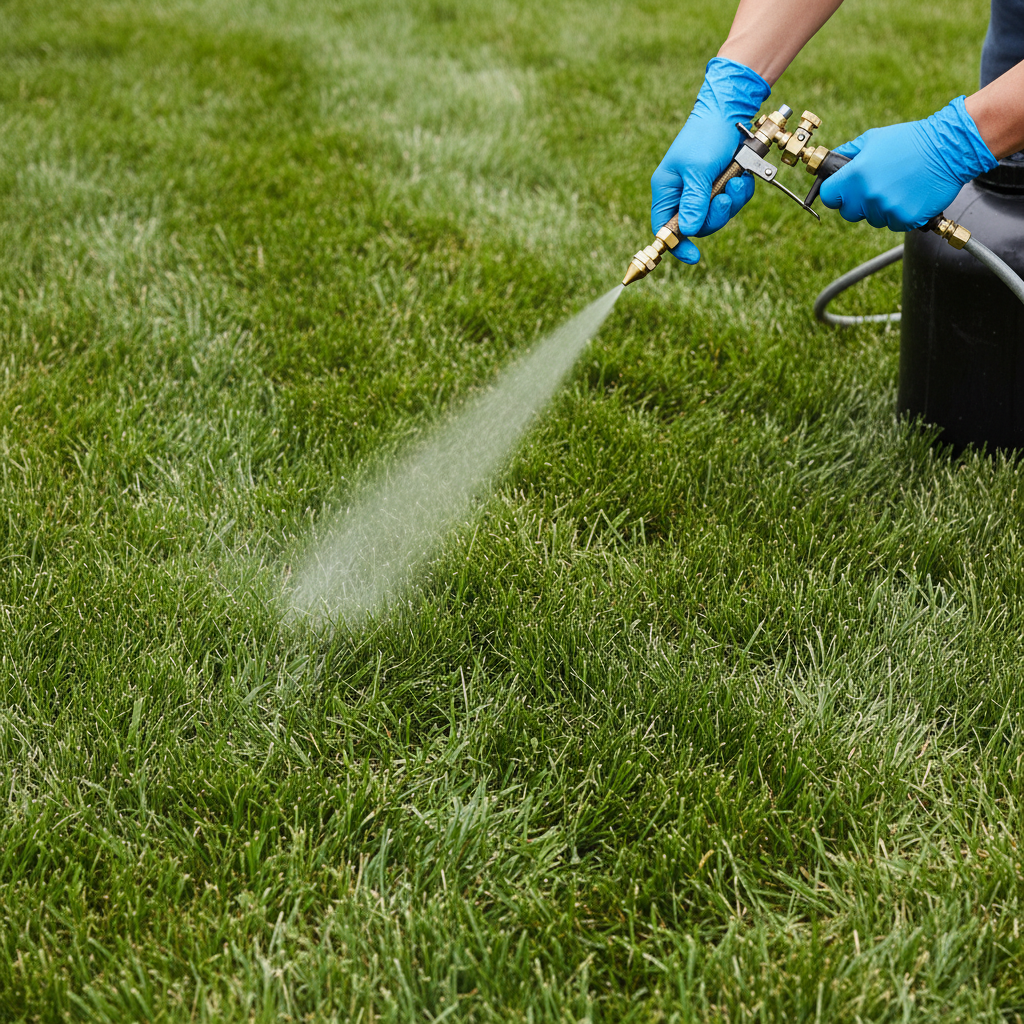
Pests and weeds can quickly undermine a healthy lawn. Regularly inspect your lawn for signs of infestation or unwanted plants. Use integrated pest management (IPM) techniques to control pests with minimal environmental impact. Identify weeds early and remove them manually or with targeted herbicides.
Preventative Measures
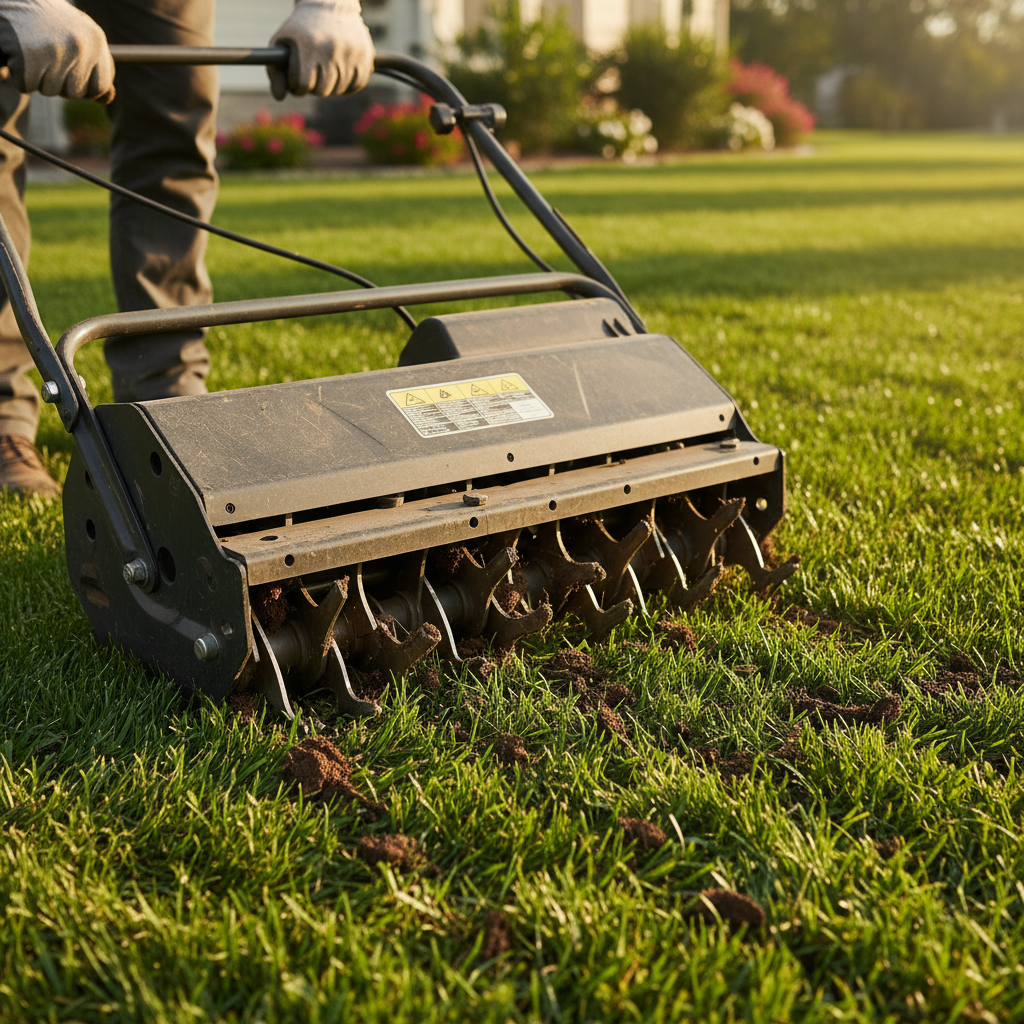
Maintaining a healthy lawn naturally reduces the risk of pests and weeds. Ensure proper drainage, avoid over-fertilization, and promote healthy soil to create an environment where grass outcompetes weeds. Regular maintenance is your first line of defense.
By following these expert tips from MÉNAVERT INC., you'll be well on your way to a vibrant, healthy lawn that enhances your home's beauty and value. Remember, patience and consistency are key, and your efforts will pay off with a stunning outdoor space.