Expert Tips for Year-Round Lawn Care in QC


Understanding Your Lawn's Needs
The climate in Quebec can be challenging for maintaining a lush, green lawn. With its cold winters and warm summers, your lawn care routine must be adaptable. Understanding the specific needs of your grass type is crucial. Whether you have Kentucky bluegrass, fescue, or ryegrass, each variety requires different care to thrive throughout the year.

Spring: Reviving Your Lawn
Spring is the perfect time to start revitalizing your lawn after the harsh winter. Begin by raking away dead grass and debris. This helps the soil breathe, promoting new growth. Aeration is also beneficial in spring, as it allows water, air, and nutrients to penetrate the soil more effectively.
Fertilizing in spring is essential. Use a fertilizer that's high in nitrogen to encourage robust growth. It's also a good time to overseed any bare patches. Make sure to water the seeds regularly to help them establish.
Summer: Maintaining Health
During the summer months, your lawn faces heat stress and potential drought conditions. Mow your grass at a higher setting to provide shade for the roots and reduce water loss. It's crucial to water deeply and less frequently, ideally early in the morning, to prevent evaporation.

Consider applying a slow-release fertilizer in early summer to provide necessary nutrients without overwhelming your lawn. Keeping an eye out for pests and diseases is also important. Address any issues promptly to prevent widespread damage.
Fall: Preparing for Dormancy
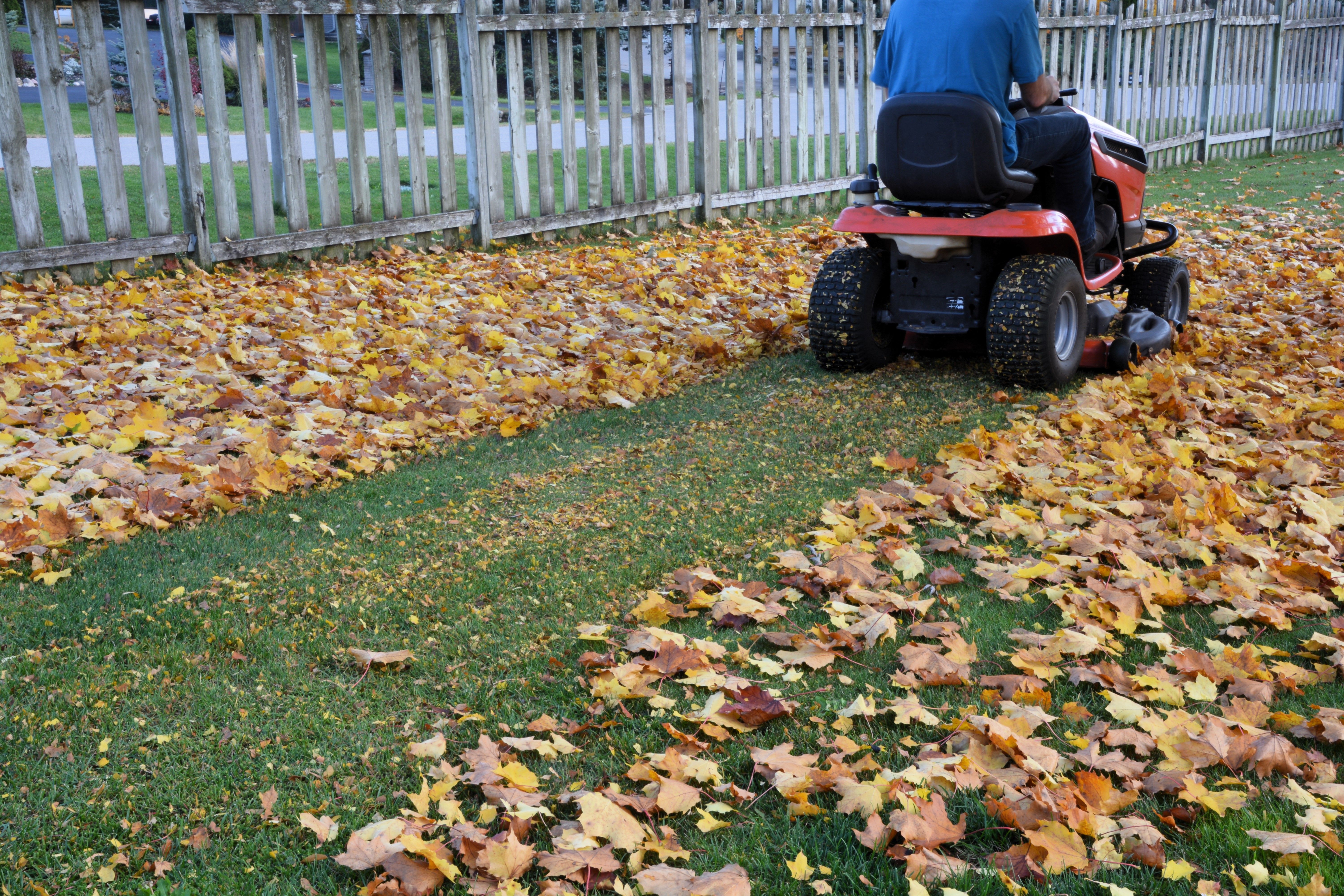
Fall is the time to prepare your lawn for the upcoming winter. Begin by mowing at a lower height, which helps prevent snow mold. Rake fallen leaves to keep your lawn clear and healthy. Aeration in fall can also be beneficial, as it alleviates soil compaction and improves root development.
Applying a winterizing fertilizer with higher potassium content will strengthen the grass and improve its resilience against cold weather. Overseeding in fall can fill in thin areas, ensuring a thicker lawn come spring.
Winter: Protecting Your Lawn
While lawn care is minimal in winter, there are still steps you can take to protect it. Avoid walking on frozen grass, as it can cause damage. Ensure that any salt or de-icing products used on driveways and walkways are safe for lawns to prevent chemical burns.
When snow is on the ground, gently brushing it off areas of the lawn can prevent compaction. Planning ahead for the next growing season, such as scheduling a spring aeration, can also be beneficial.
Expert Tips for Year-Round Success
Consistency is key in lawn care. Regular monitoring and maintenance will ensure your lawn stays healthy year-round. Consider keeping a lawn care journal to track what works best for your specific environment and grass type.
Consulting with a local lawn care expert can provide tailored advice for your region's climate. By following these expert tips, you can enjoy a vibrant, thriving lawn every season.