5 Organic Lawn Care Tips for a Greener Lawn


Understanding Soil Health
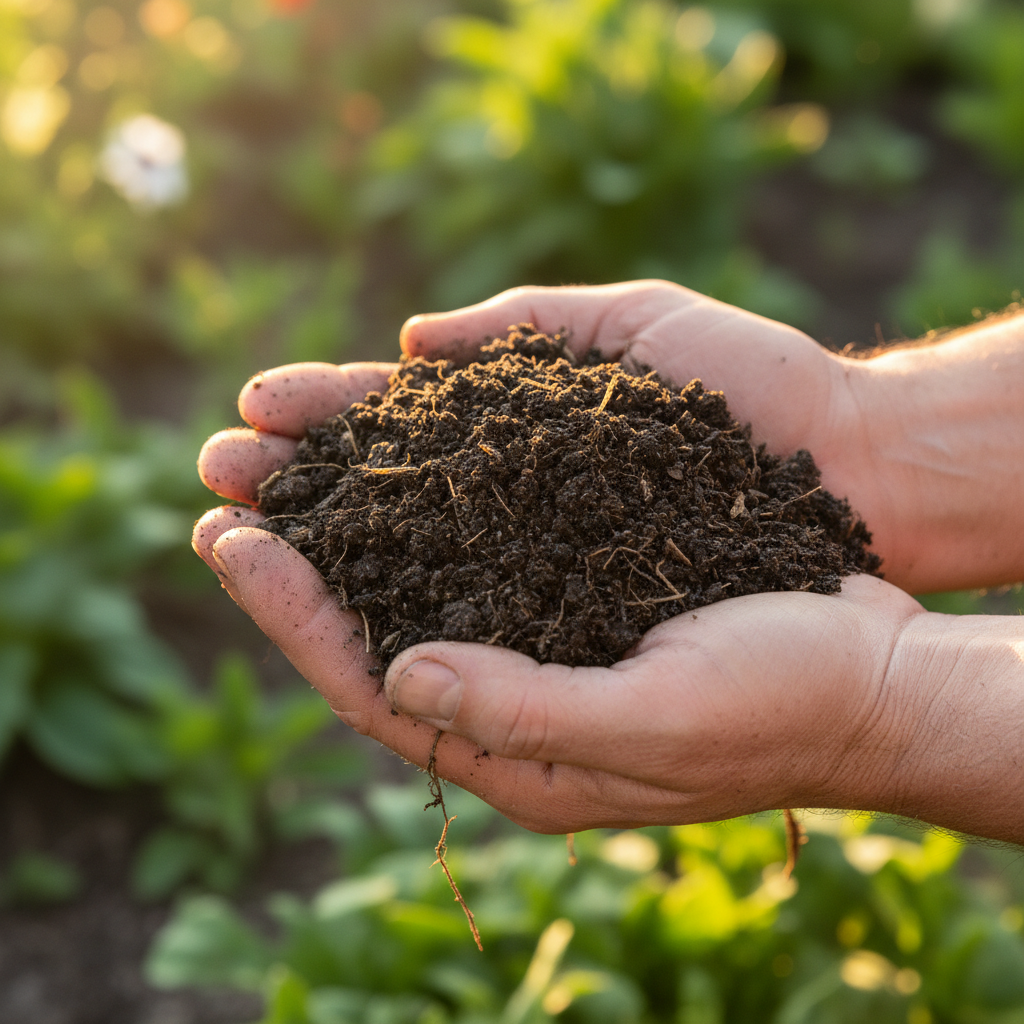
For a truly green lawn, start beneath the surface by focusing on soil health. The foundation of any healthy lawn is nutrient-rich soil, which supports robust grass growth. Test your soil’s pH levels and nutrient content to understand its specific needs. Aim for a pH between 6.0 and 7.0, which is ideal for most grass types.
Improve your soil by adding organic matter like compost or well-aged manure. These materials enhance soil structure, increase nutrient availability, and promote beneficial microbial activity. A healthy soil ecosystem is key to a thriving lawn.
Choose the Right Grass
Selecting the appropriate grass type for your climate and soil conditions is crucial. Native grass varieties are typically more resilient and require fewer resources to maintain. Consider your region’s temperature, rainfall, and sunlight exposure when choosing your grass.
Research local grass species that thrive in your area. Opting for a variety that naturally suits your environment reduces the need for chemical interventions, making your lawn care routine more sustainable.
Water Wisely
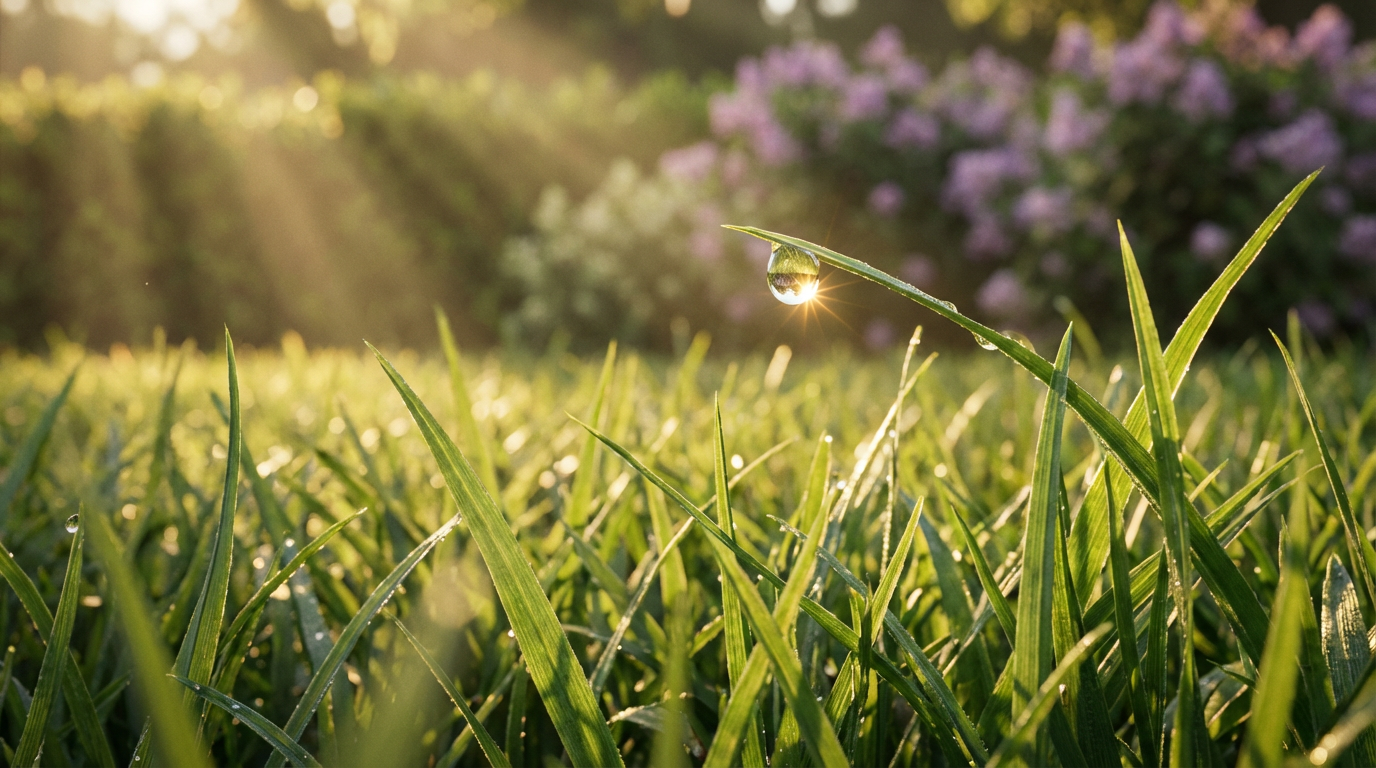
Proper watering practices are essential for an organic lawn. Overwatering can lead to shallow roots and increased susceptibility to disease, while underwatering stresses the grass. Water deeply but infrequently to encourage deep root growth.
Morning is the best time to water your lawn, as it allows moisture to soak in before the sun’s heat causes evaporation. Aim for about one inch of water per week, adjusting based on rainfall and seasonal changes.
Mow with Care
Mowing your lawn correctly can make a significant difference in its health and appearance. Keep your mower blades sharp to ensure clean cuts, as dull blades can tear grass, making it more vulnerable to disease. Set your mower to the right height—generally, about 3 inches is ideal for most grasses.
Avoid cutting more than one-third of the grass height at a time. This practice reduces stress on the grass and helps maintain a lush, green appearance. Leave grass clippings on the lawn to decompose and return nutrients to the soil.
Natural Pest and Weed Control
Instead of relying on chemical pesticides and herbicides, explore natural alternatives for controlling pests and weeds. Encouraging a diverse ecosystem in your lawn can naturally reduce pest populations. Introduce beneficial insects like ladybugs and predatory beetles to keep pests in check.
For weeds, regular mowing and maintaining a healthy, dense turf can prevent them from taking over. Hand-pull weeds whenever possible, and use organic mulches to suppress weed growth around the edges of your lawn.
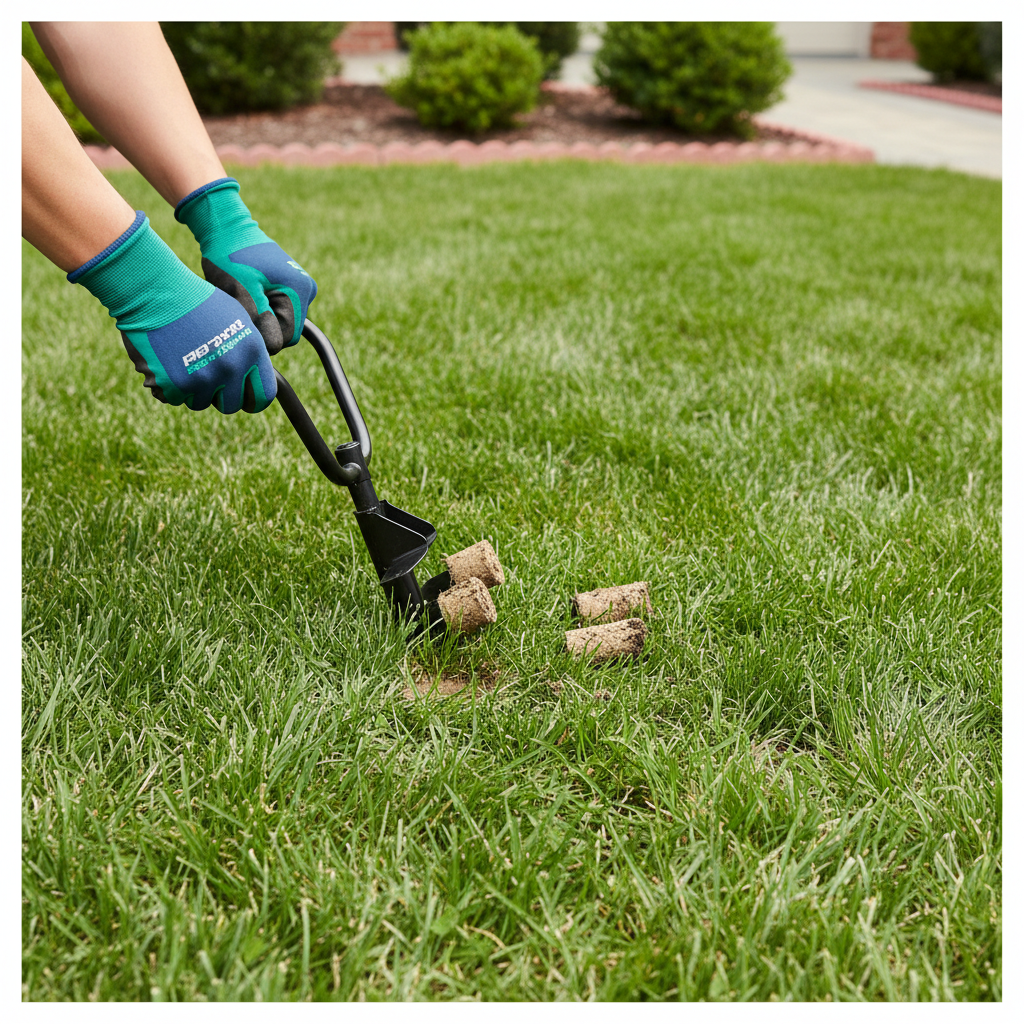
By following these organic lawn care tips, you can enjoy a lush, green lawn that's not only beautiful but also environmentally friendly. Embrace these sustainable practices to create a healthy outdoor space that benefits both your family and the planet.